Did you know that the way you decorate your home can have a profound impact on your mood, productivity, and overall mental well-being? While most people consider home decor simply as a way to beautify their living spaces, there’s a deeper connection at play—a psychological relationship between our environment and our state of mind. In this article, we will explore how various elements of home decor can influence your emotions and well-being, and provide tips on how to curate a space that fosters positivity and inspiration.
Let’s start with color, one of the most powerful tools in the decor toolkit. Colors can evoke strong emotional responses, so it’s important to choose them wisely. For example, warm colors like red and orange can create a sense of energy and warmth, making them perfect for social spaces like living rooms. In contrast, cool colors like blue and green promote tranquility and relaxation, making them ideal for bedrooms and meditation areas. To harness the power of color, consider painting your walls or adding colorful accents through furniture and decor items.
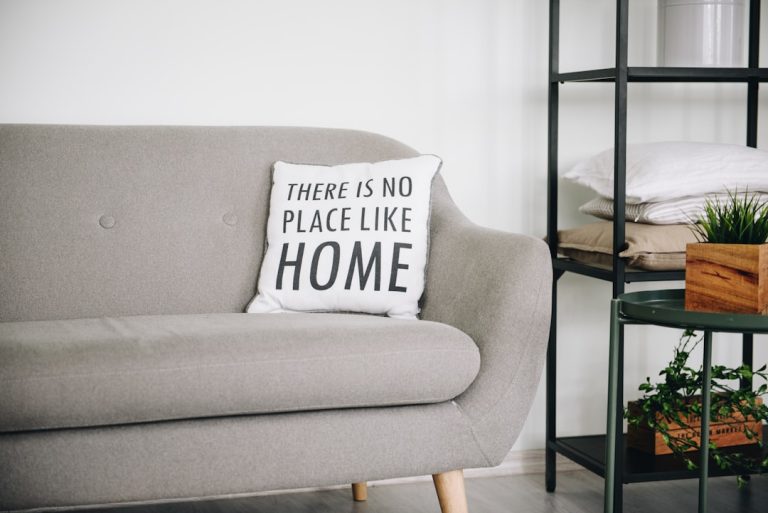
Next, let’s talk about the layout and organization of your space. A cluttered environment can lead to increased stress and anxiety, while an organized and well-thought-out layout can promote clarity and focus. Implementing effective storage solutions not only keeps your space tidy but also makes it easier to find what you need when you need it. Try using decorative baskets, shelving units, or multi-functional furniture to keep clutter at bay and create a serene atmosphere.
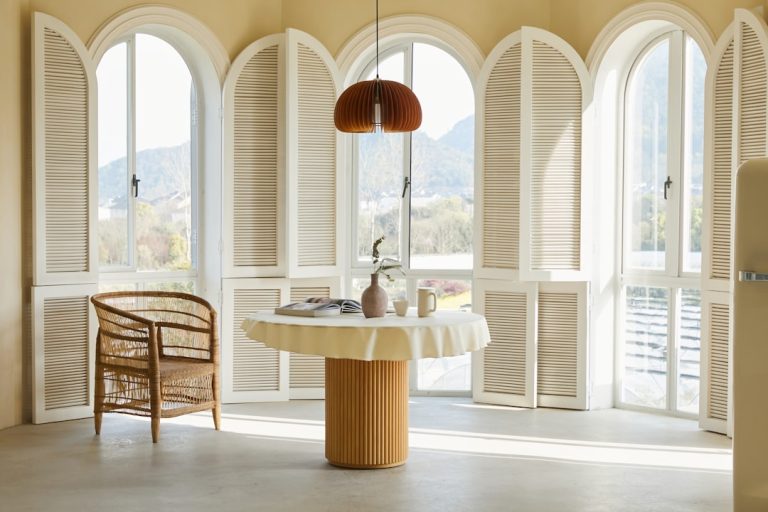
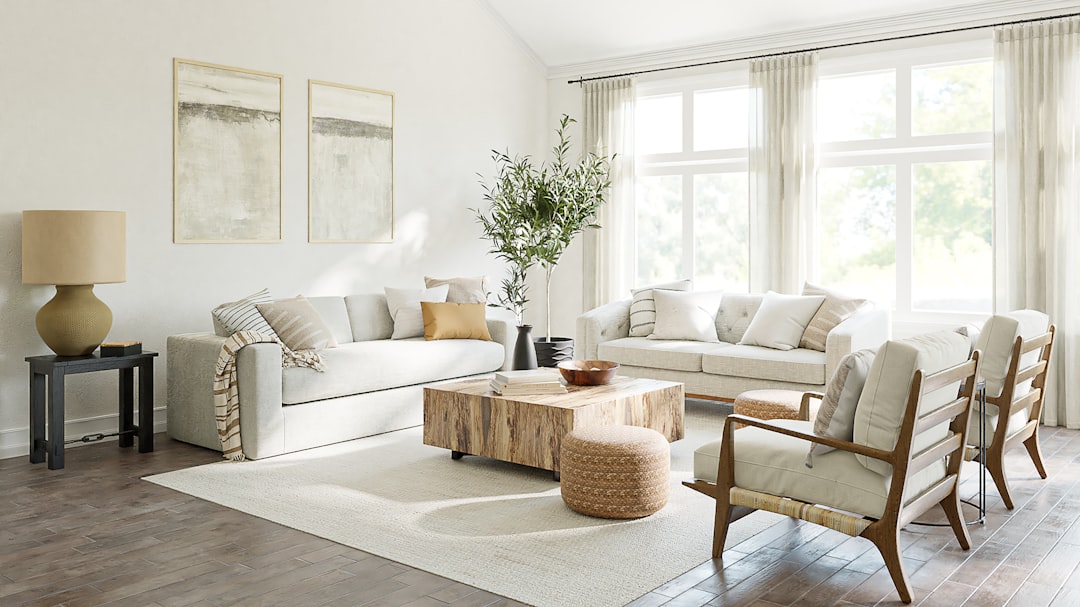
The influence of natural light is another critical factor in home decor. Exposure to natural light has been shown to boost mood and energy levels, making it vital for any space. Position your furniture to take advantage of available light sources, and consider using sheer curtains to let the sunshine in while maintaining privacy. If natural light is scarce, incorporate warm artificial lighting to mimic the effects of sunlight and create a cozy ambiance.
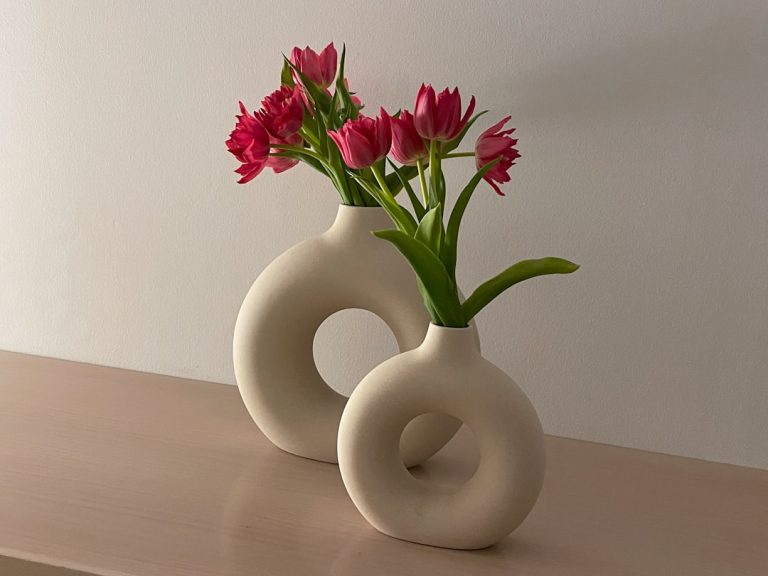
Textures play a significant role in how we perceive our environment as well. Mixing different textures—such as smooth ceramics, soft fabrics, and rough wood—can create a tactile experience that enhances your emotional response to a room. Experimenting with various textiles in your home, from cushions and throws to rugs and wall hangings, can create a multi-dimensional space that invites comfort and warmth.
Plants are not just a decor trend; they have a proven impact on mental well-being. Studies show that having greenery in your home can reduce stress and increase feelings of happiness. Incorporating plants into your decor not only enhances the aesthetic appeal of your space but also improves air quality and brings a sense of calm. Start with low-maintenance plants like pothos or peace lilies if you’re new to plant care.
Lastly, let’s discuss personal touches. Your home should be a reflection of your personality, values, and experiences. Incorporating artwork, photographs, and meaningful decor items can create a sense of belonging and identity within your space. Surrounding yourself with items that tell your story not only beautifies your home but also fosters a positive emotional connection to your environment.
In conclusion, home decor is much more than just a visual aesthetic; it plays a crucial role in shaping our mental and emotional landscape. By understanding the psychological impact of colors, organization, natural light, textures, plants, and personal touches, you can create a living space that nurtures your well-being and enhances your quality of life. So take a moment to assess your home, and don’t hesitate to make changes that align your environment with your emotional needs—your mind will thank you for it!